Concrete Cutting and Coring: Your Complete Guide
Concrete cutting and coring are common tasks in construction, renovation, and utility installation, both large and small scales. These highly essential processes effectively shape and alter the concrete, making way for a stronger and more functional infrastructure.
Cutting and coring concrete require specialized tools and techniques to ensure the precision and safety of both concrete technicians and clients. That’s why it’s mandatory to leave it to reliable concrete experts in your area.
This article will help you understand the whole idea of concrete cutting and coring, how important it is to hire concrete experts, and where you can look for trusted service providers.
What is concrete cutting?
Concrete cutting is a critical part of construction and demolition projects, which enables you to shape concrete structures depending on your needs. It’s typically done for creating openings for doors, egress windows, or pipes, or for removing old concrete surfaces using specialized techniques and equipment.
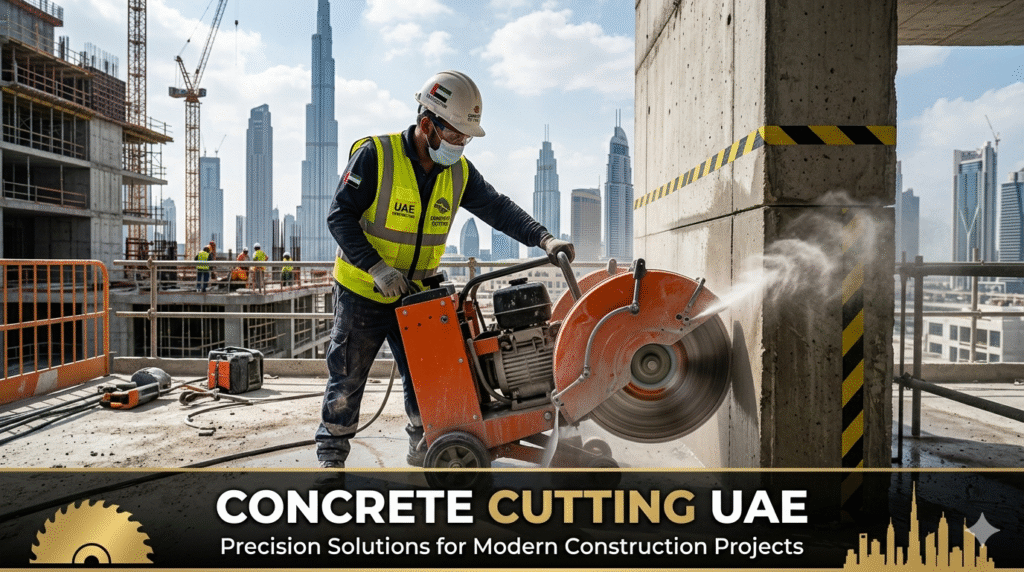
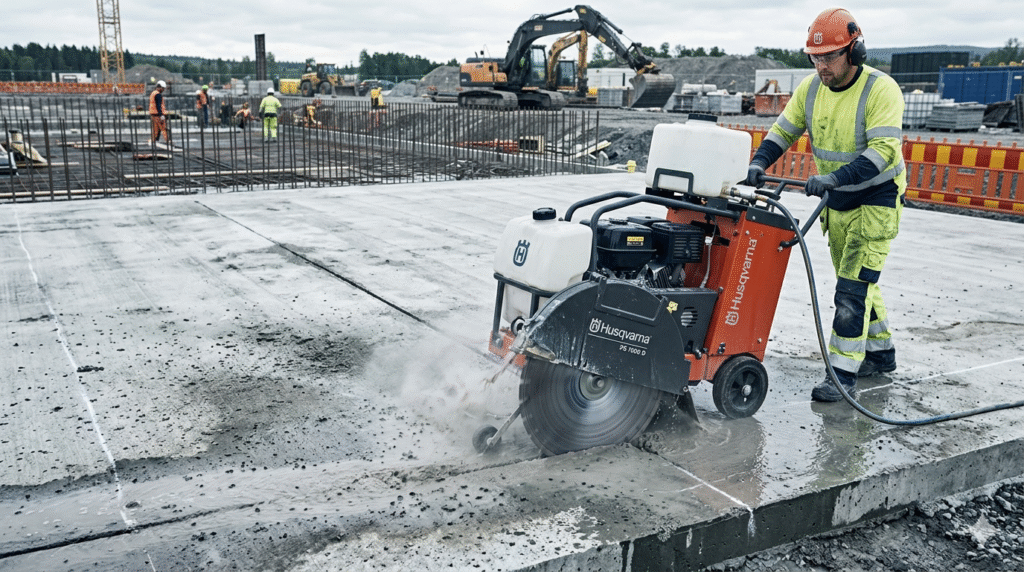
Sawing concrete with diamond blade saws is the most common method for concrete cutting. These powerful concrete cutting saws use a diamond-tipped blade to cut through the tough surface of your concrete. It’s an essentially recommended concrete-cutting tool for large floors, bridge decks, and pavements.
Diamond-blade saws for cutting concrete come in two formats: dry-cut and wet-cut blades. Dry-cut, as the name suggests, doesn’t use any form of water and produces more heat and dust. Wet-cut concrete blades are entirely the opposite and use water to cool blades and reduce dust. Ideal for cutting thick concrete slabs.
Different processes of concrete sawing
- Flat sawing. This is ideal for flat surfaces like floors and pavements that require smooth and accurate cuts.
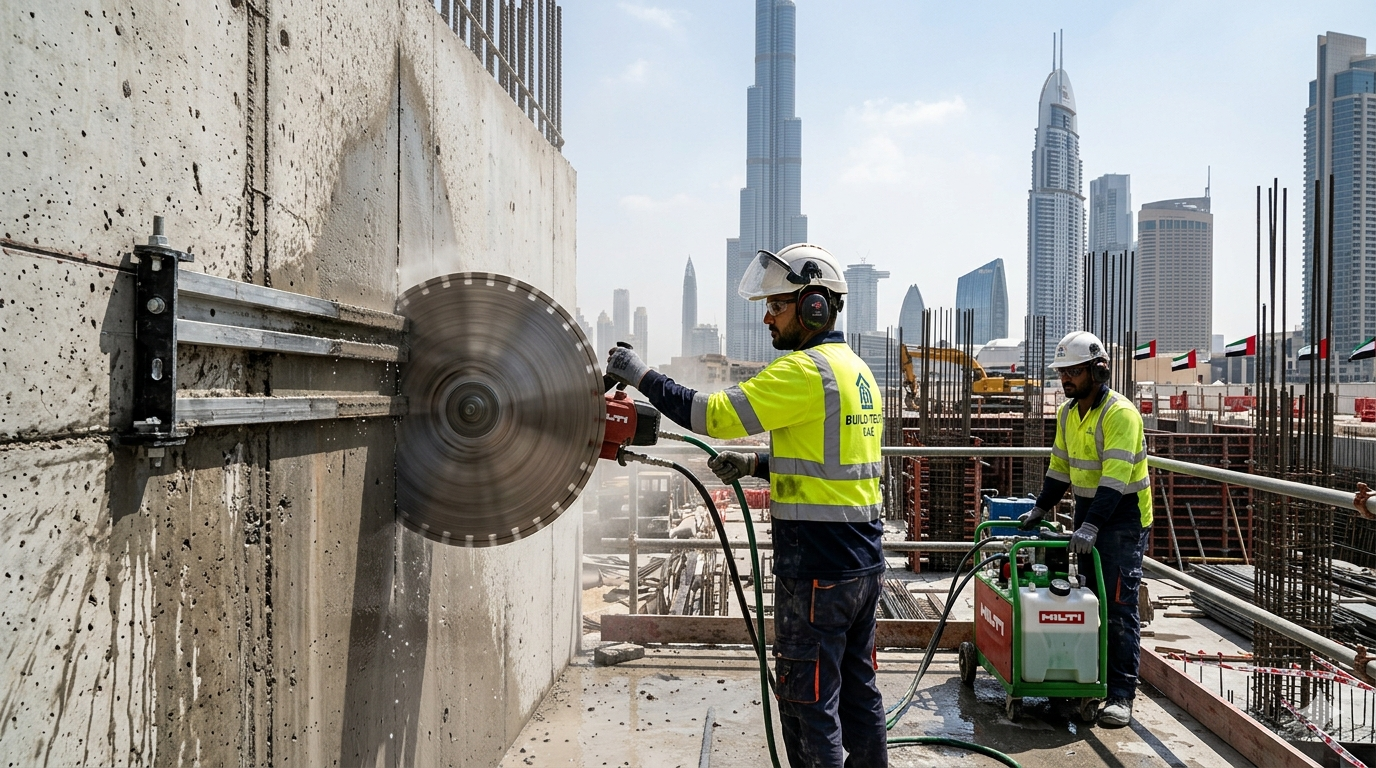
- Wall sawing. This is preferred when you need to cut or alter your vertical surfaces, like when you’re opening your wall to make way for new windows. This is an easy way to modify, reinforce, or remove walls.
- Wire sawing. This is highly recommended for cutting complex structures that can’t be done with traditional methods. The tool used for wire sawing is generally diamond-impregnated wires with pulleys and high tensional strength, ideal for large and irregular concrete.
Types of Concrete Saws
- Handheld Saw: Ideal for smaller cuts and limited space.
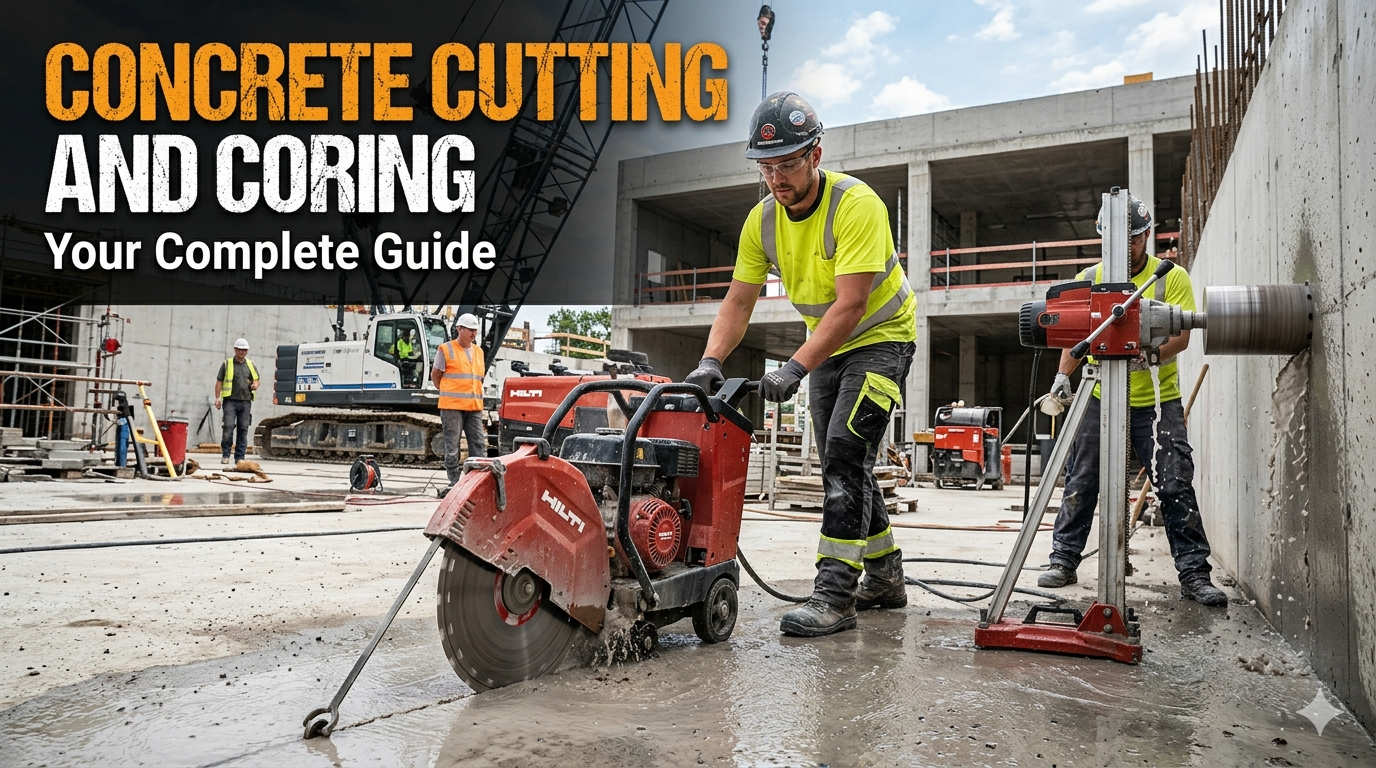
- Walk-behind Saw: Used for larger, longer cuts, typically on floors or walls.
- Wall Saw: A specialized saw that allows for precise vertical cutting (commonly used on walls).
Before deciding to cut concrete, ensure that you and your contractor have a detailed plan and accurate measurements. Markings can help before cutting your concrete right on. This is to make sure your concrete cuts are precise and in alignment with your needs.
Your contractor’s attention to detail is indispensable to prevent any delays or damages that may cause cost pile-up. Cutting concrete with a comprehensive plan considers the presence of rebars or any other embedded materials and wires within your concrete.
Hiring a concrete cutting and coring contractor in London with the skills and experience is crucial. Sawing concrete through your marked lines requires utmost precision and steady pressure, and it can only be done efficiently when you have reliable experts by your side.
Looking for concrete cutting near me? Power Foundations in London has years of experience in the cutting and coring concrete business. They have uncompromising safety standards and expert tool selection to provide high-quality results to their roster of clients in Southwestern Ontario.
Feel free to request a quote here.
What is concrete coring?
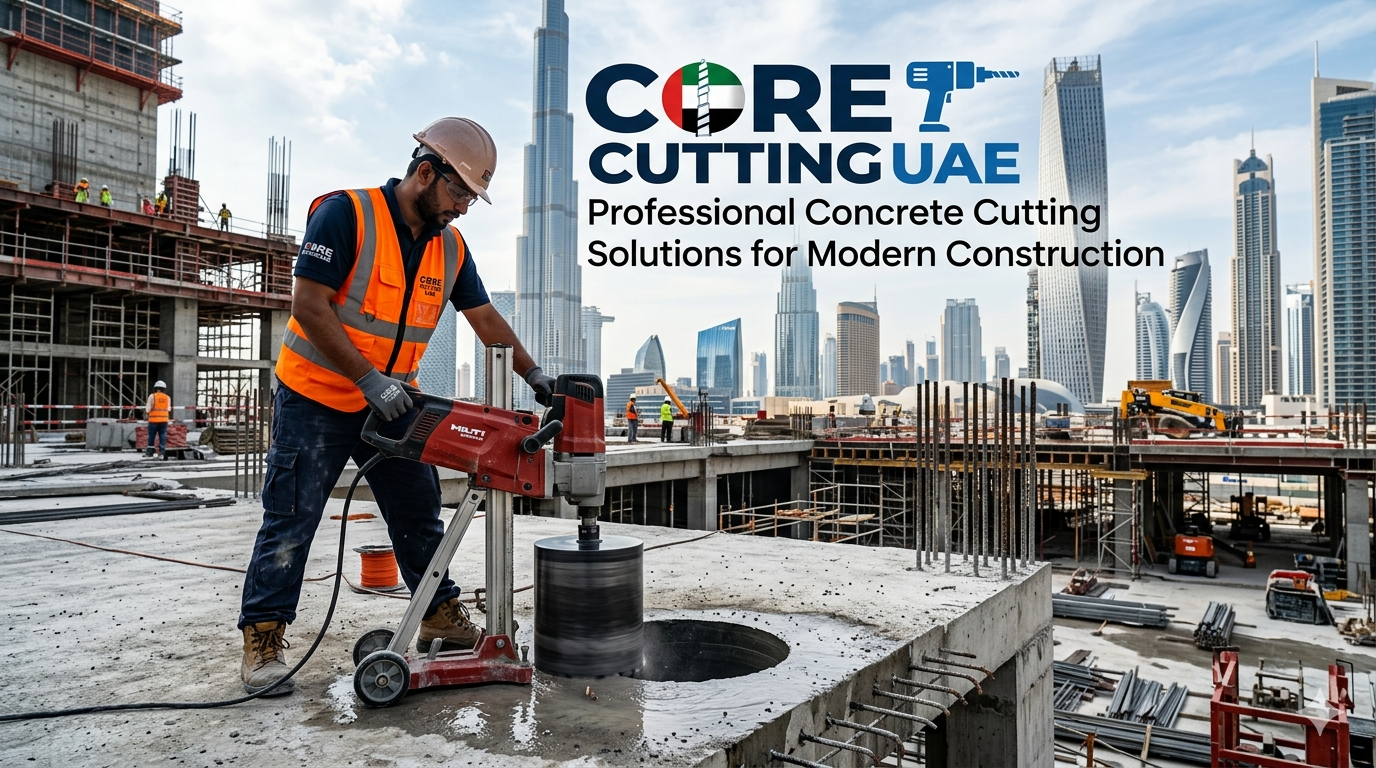
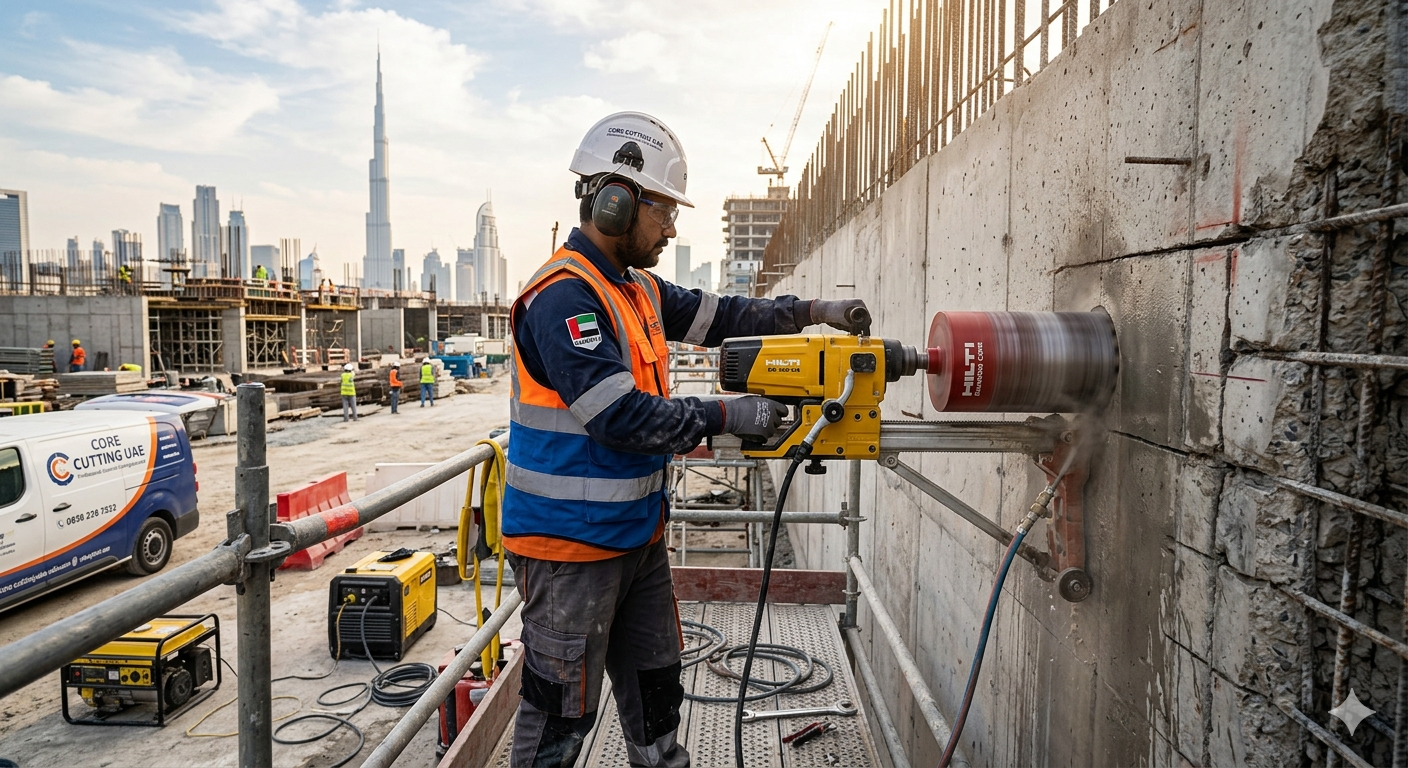
A highly specialized method in construction, concrete coring involves creating circular holes through concrete for pipes, ventilation ducts, or utility lines. It’s typically done using a diamond core drill, which can produce precise, smooth holes without damaging the surrounding structure.
Similar to sawing concrete, coring concrete also has two types: dry drilling and wet drilling. Your contractors use them entirely for different purposes, depending on the hole diameter and the type of material being drilled. You can use dry drilling if your project is small and has a softer surface. Dry core drilling does not require water and is way more convenient for fast and small-scale projects.
On the other hand, wet core drilling is for large-scale construction that has huge diameters and harder surface materials like granite, stone, and reinforced concrete. Water is critical to this core drilling process as it serves as a coolant, suppresses dust, and reduces wear and tear on the core drill.
Types of Core Drills
- Handheld Core Drills: These are used for smaller holes and are operated by hand, suitable for less deep and lighter drilling jobs.
- Stationary Core Drills: These are mounted to the surface and can drill deep, larger-diameter holes. They are often used for drilling deeper holes or in tough concrete.
- Wet Core Drilling: A water-cooled diamond core bit is used to drill into concrete, reducing heat and preventing dust. The water also helps prolong the life of the bit.
Your concrete core drilling success and effectiveness rely heavily on your chosen core bits. Due to their exceptional strength and hardness, diamond core bits are the most commonly used to cut through tight materials and surfaces.
- Diamond Core Bits: These are the most common and efficient type for drilling into concrete. They are coated with industrial diamonds and can drill clean, smooth holes. Core bits come in different sizes, depending on the required hole diameter.