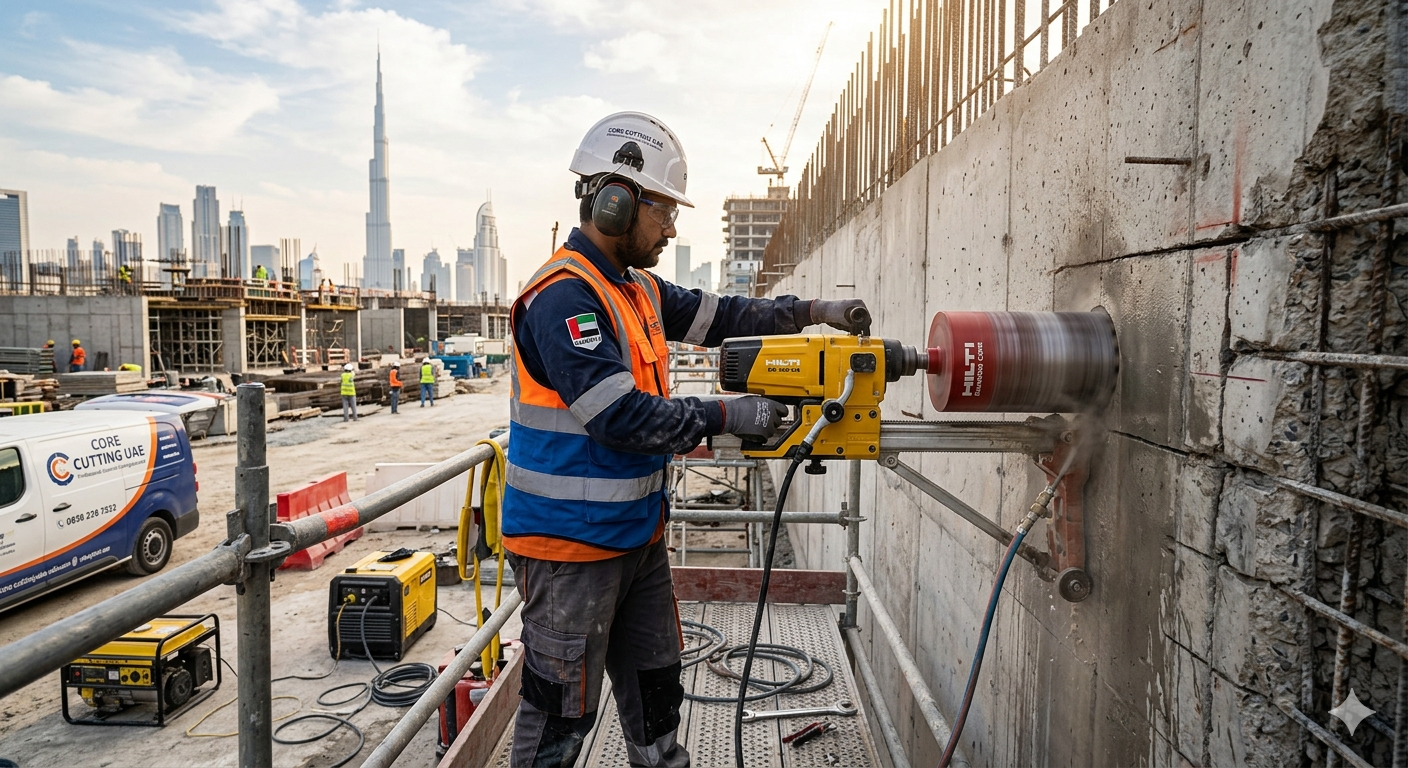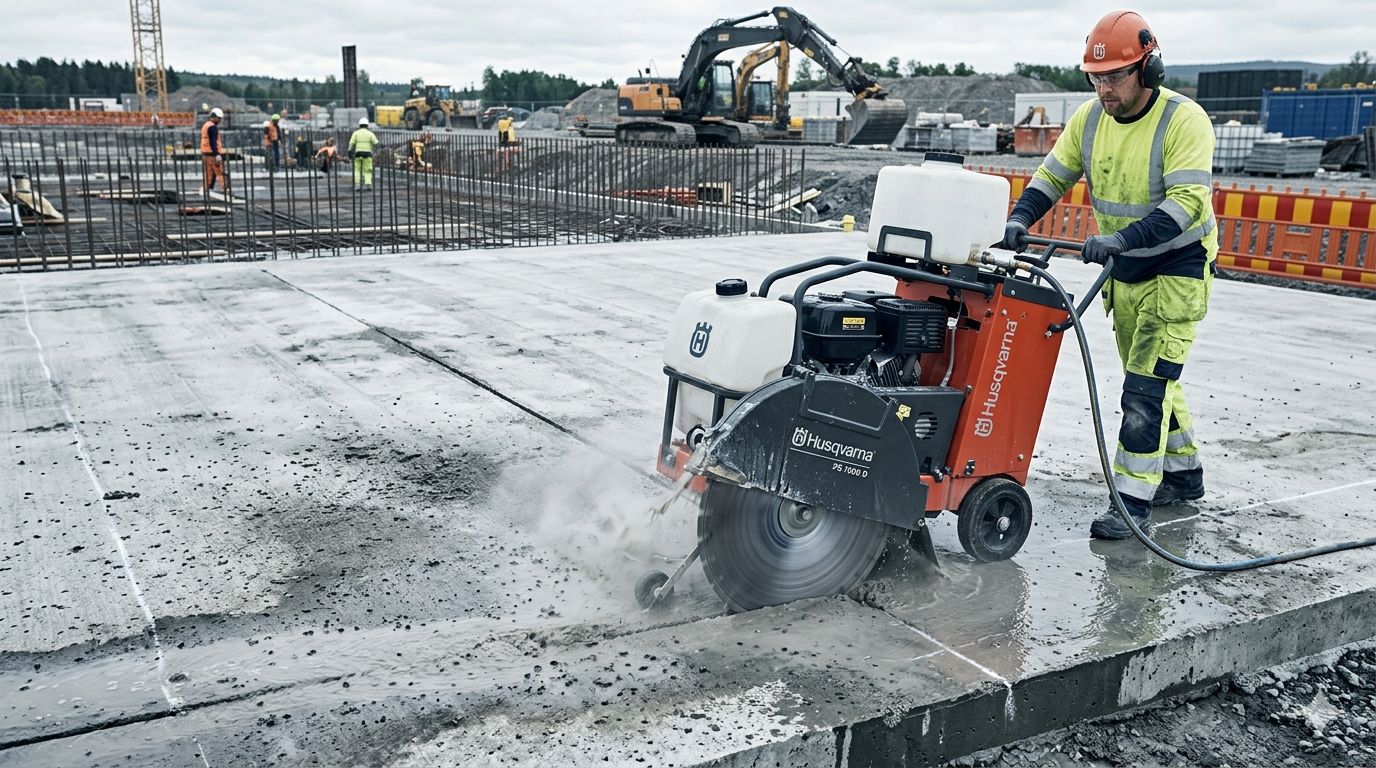
Selective Demolition Requires a Clear Scope, Thoughtful Planning, and Close Coordination with the Overall Renovation Process.
A successful commercial renovation starts with careful preparation. Before a space can be rebuilt, improved, or repurposed, the existing interior often needs to be taken apart with precision. That’s where commercial selective demolition plays a crucial role. For teams like Local Demo, this phase is about far more than removing materials. It is about preparing the space for what comes next with care, control, and a clear understanding of the renovation process. Interior selective demolition is focused, strategic, and highly controlled. It removes materials and interior components that no longer serve the space, while protecting the structural elements and surrounding areas that must remain intact. For commercial renovations, that level of care matters. It helps create a cleaner, safer, and more organized path for the work that follows. It often involves much more than cosmetic changes. A commercial space may need a new layout, improved flow, updated systems, or a different use altogether.

Selective Demolition Starts with Careful Planning and Precision
Selective demolition requires a clear scope, thoughtful planning, and close coordination with the overall renovation process. The demolition team must understand exactly what is being removed, what must remain protected, how debris will move through the site, and how the demolition phase fits into the larger construction schedule.That planning often includes site walkthroughs, identifying what stays and what goes, establishing access points, mapping debris removal routes, and protecting adjacent surfaces and finishes. In commercial environments, sequencing is especially important because demolition must align with the work that follows.
When this phase is properly planned, the project is more efficient, better organized, and less likely to run into avoidable delays or unnecessary damage. Just as important, commercial interior demolition requires precision at every stage. In many renovation projects, the work takes place within a controlled footprint where certain materials are to be removed while nearby building elements must remain untouched.
Walls, ceilings, flooring, fixtures, and finishes often need to be removed cleanly and methodically so the next phase of construction can begin without unnecessary complications. That level of precision helps protect the site, supports smoother coordination between trades, and leaves the space better prepared for the renovation work ahead.