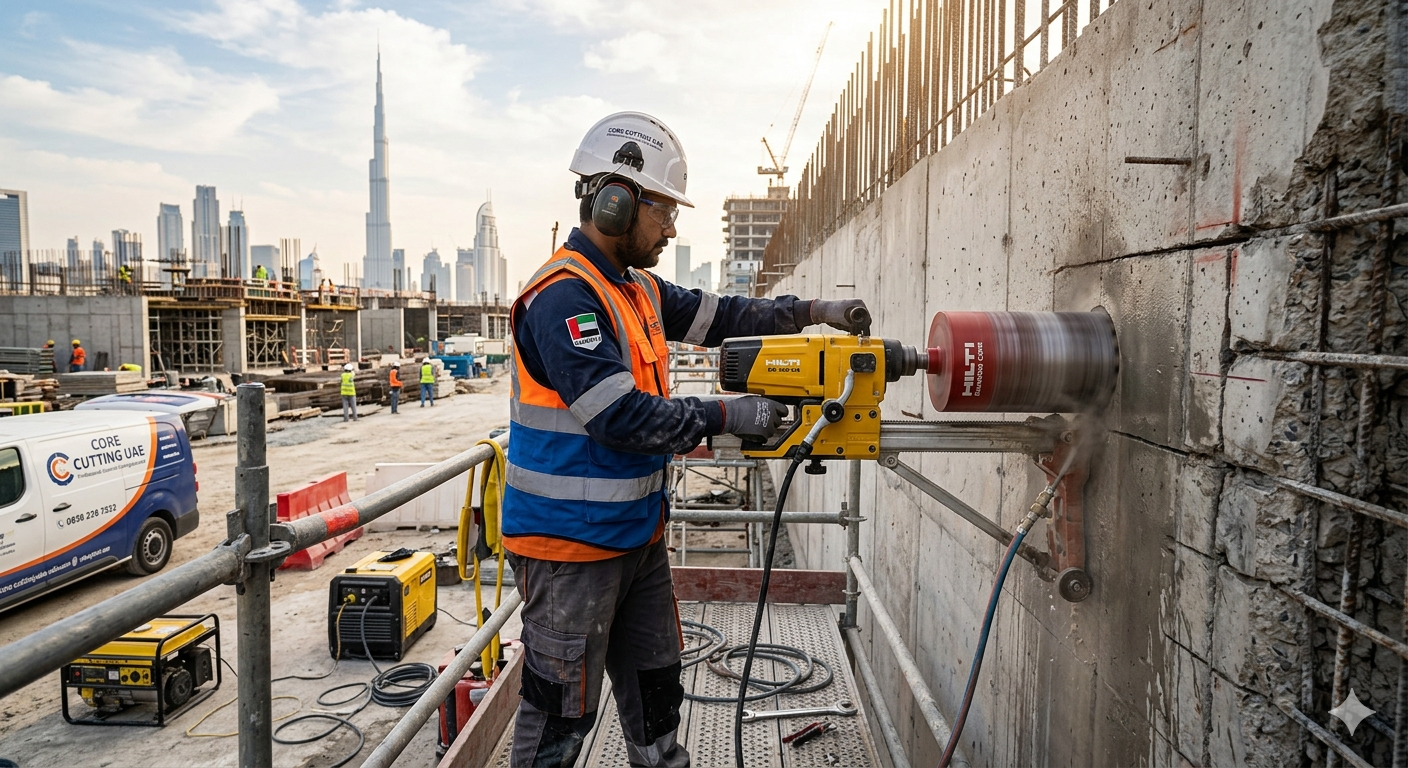
🏗️ Master Guide: Precision Concrete Slab Cutting with Walk-Behind Saws
Cutting concrete slabs is a fundamental task in construction, whether you’re installing utility lines, creating expansion joints, or removing damaged sections of a driveway. While it may seem straightforward, achieving a clean, straight, and safe cut requires the right machinery and a disciplined approach.
🛠️ Essential Equipment & Preparation
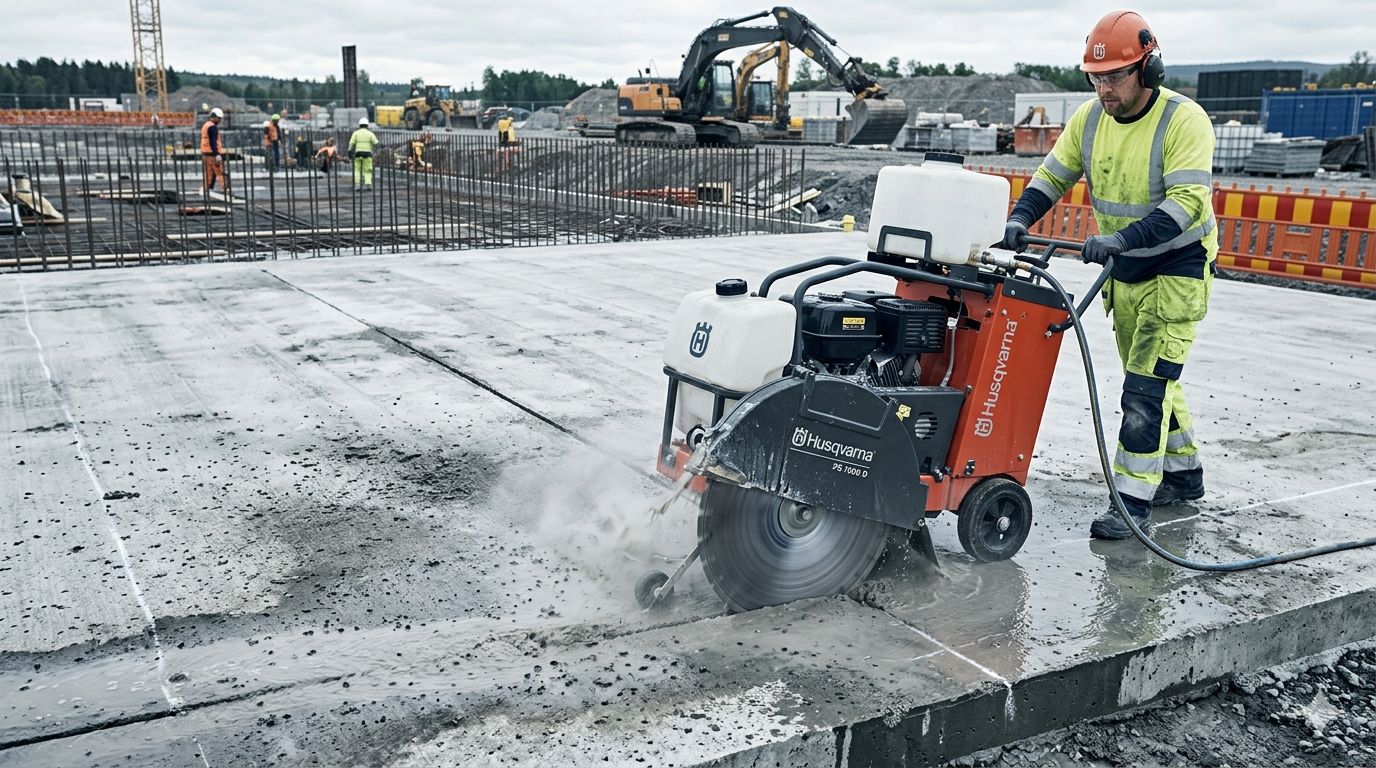
Before the first spark flies, you need the right tools for the job. The most common machine for slab work is the walk-behind concrete saw (also known as a flat saw).
- The Power Source: Choose between electric (best for indoor/confined spaces), gasoline (standard for outdoor residential), or diesel (heavy-duty industrial).
- The Blade: Most professionals use diamond blades.
- Wet Blades: Require a constant water supply to cool the blade and suppress hazardous silica dust.
- Dry Blades: Best for smaller, outdoor jobs where water isn’t accessible, though they generate significant dust.
- Safety Gear (PPE): Never skip high-visibility vests, steel-toed boots, safety goggles, hearing protection, and a respirator (specifically N95 or higher to protect against silica dust).
➡️ Step-by-Step Execution
1. Layout and Marking
Precision starts with a chalk line. Use a snap-line to mark your cut path clearly. For long runs, consider marking every few feet to ensure the machine doesn’t drift.
2. Pre-Start Inspection
Check the blade for any cracks or missing segments. Ensure the water tank is full or the hose is securely connected. If using a gas saw, check oil and fuel levels.
3. The Initial Pass (Step Cutting)
Avoid trying to cut the full depth of the slab in a single pass. This stresses the motor and overheats the blade.
- Start with a shallow “scoring” cut (about 1 inch deep) to create a guide path.
- Increase the depth by 1–2 inches on subsequent passes until you reach the bottom of the slab.
4. Let the Machine Do the Work
Do not force the saw forward. Apply steady, gentle pressure. If the engine starts to bog down or the blade begins to climb out of the cut, slow your pace.
💡 Pro Tips for a Flawless Finish
- Manage the Slurry: If wet cutting, the mixture of water and concrete dust creates a thick “slurry.” Pressure wash this away immediately before it hardens on the surrounding finished concrete.
- Avoid Over-cutting: When approaching a corner or a T-junction, stop the saw early. Use a smaller hand-held saw to finish the corners to avoid “over-running” the lines.
- Watch the Reinforcement: If the slab contains rebar or mesh, you will feel increased resistance. Maintain a consistent speed and ensure plenty of water is reaching the blade to prevent heat damage.
📊 Quick Troubleshooting
| Issue | Likely Cause | Solution |
|---|---|---|
| Excessive Dust | Low water flow | Increase water pressure or check for clogs. |
| Blade Drifting | Forcing the saw | Reduce forward pressure; let the blade lead. |
| Rapid Blade Wear | Wrong blade bond | Ensure blade hardness matches the concrete type. |
Important Note: Always check for underground utilities (pipes, electrical conduits) before cutting into any slab.